Research Portfolio
My research develops mathematical models and computational algorithms for decision-making under uncertainty. My particular interests are stochastic optimization, chance-constrained programming, fairness-aware methods, and large-scale discrete optimization. Two themes shape much of my work:
- Optimization under uncertainty: how to make high-stakes decisions when future information is imperfect?
- Foundations of fairness: how to characterize fairness axiomatically through a model's optimality conditions?
My research is grounded in mathematical theory but always motivated by real-world challenges. Key application areas include public-health preparedness, infectious disease outbreaks, energy-system planning, sustainability, and resource allocation (details below). Over the past 15 years, I have collaborated with governments, public agencies, and research institutes across the US, Europe, and Asia.
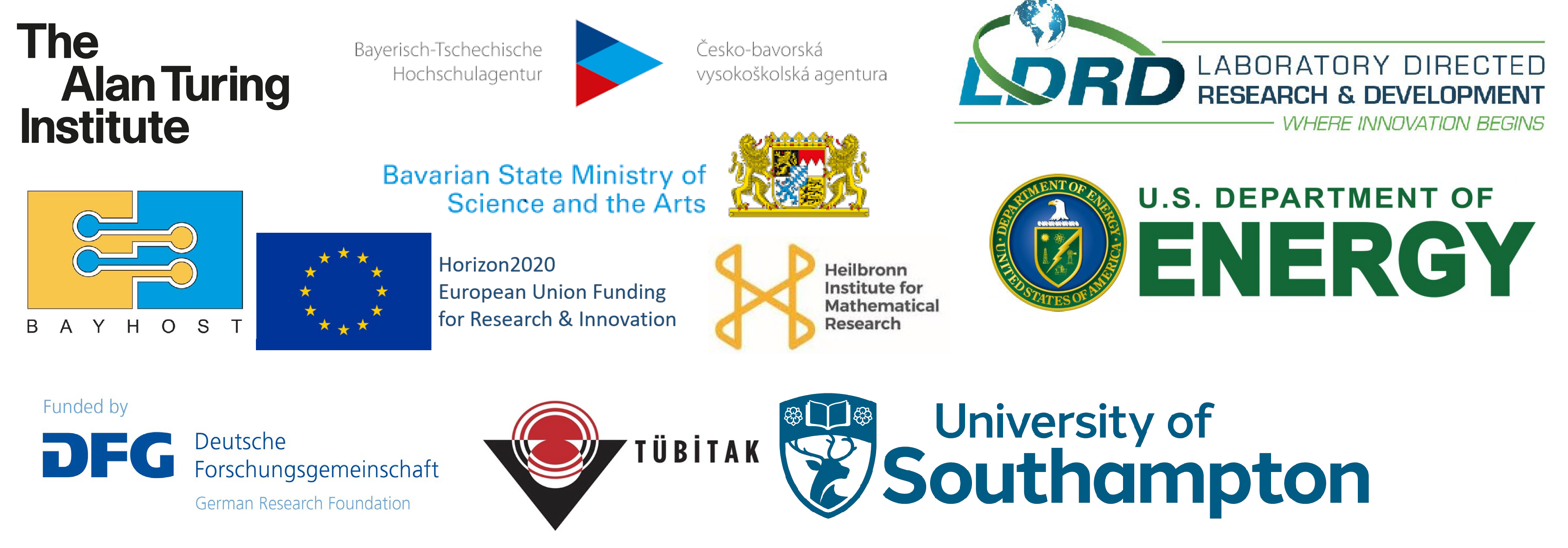
Selected funding agencies and partners:
Optimization Under Uncertainty
My specific focus within stochastic optimization is chance-constrained programming, where one must satisfy guaranteed reliability requirements despite uncertain future outcomes. This framework provides a mathematically rigorous way for balancing risk and performance, but the models are often computationally challenging to solve. My work investigates approximations of joint chance constraints. [Click for more →]
Explore →
Sustainability, Energy Systems & Climate Change
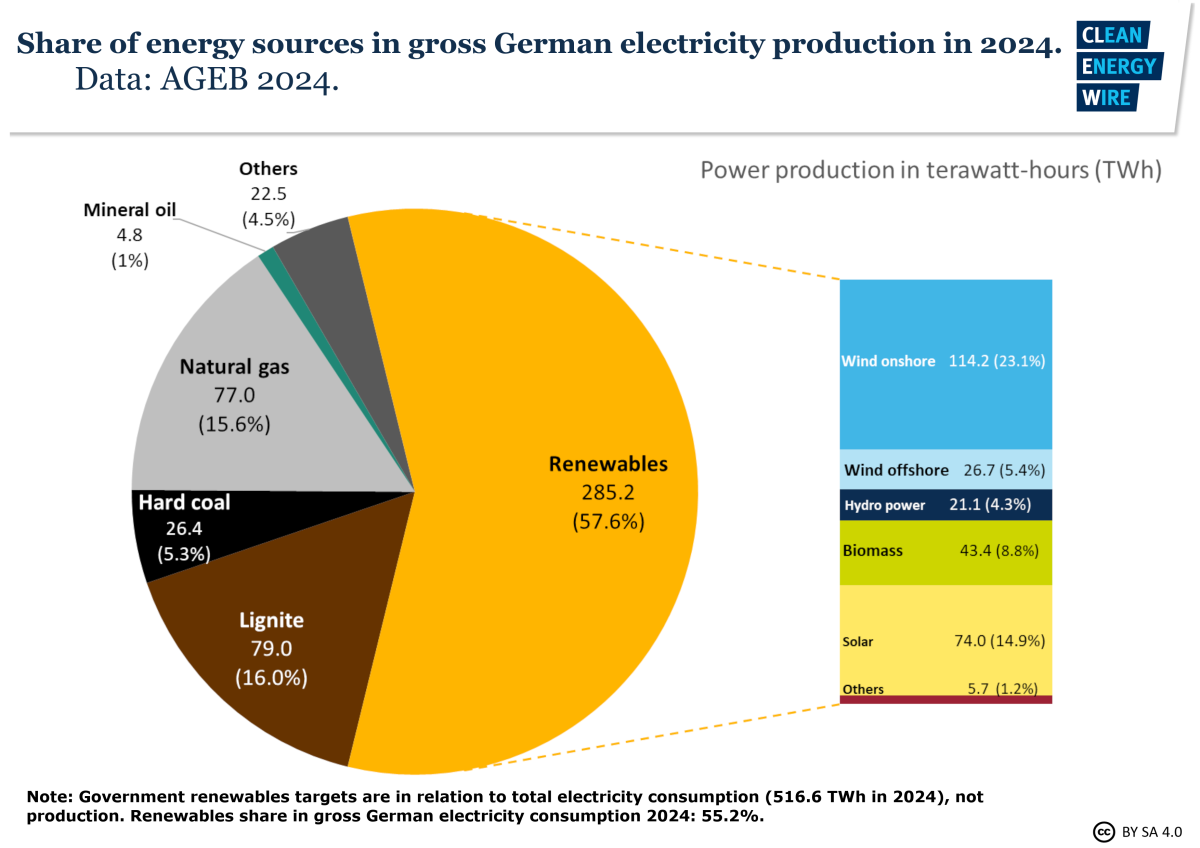
Global transition towards sustainable energy systems presents major optimization challenges. Renewable energy sources (e.g., wind and solar) introduce volatility, while infrastructure planning requires highly reliable operation. My research develops large-scale mathematical models and scalable algorithms for planning & operating energy systems under uncertainty. Particularly, I use chance-constrained optimization with Lagrangian-based approaches and machine-learning-inspired iterative algorithms. [Click for more →]
Fairness & Optimization
A central theme of my research concerns the mathematical foundations of fairness in optimization and econometrics. Rather than imposing fairness as an external design criterion, I investigate how fairness principles can be derived directly from mathematical models and their optimality conditions. This perspective has led to new fairness axioms, optimization formulations, and theoretical characterizations of equitable decision-making.
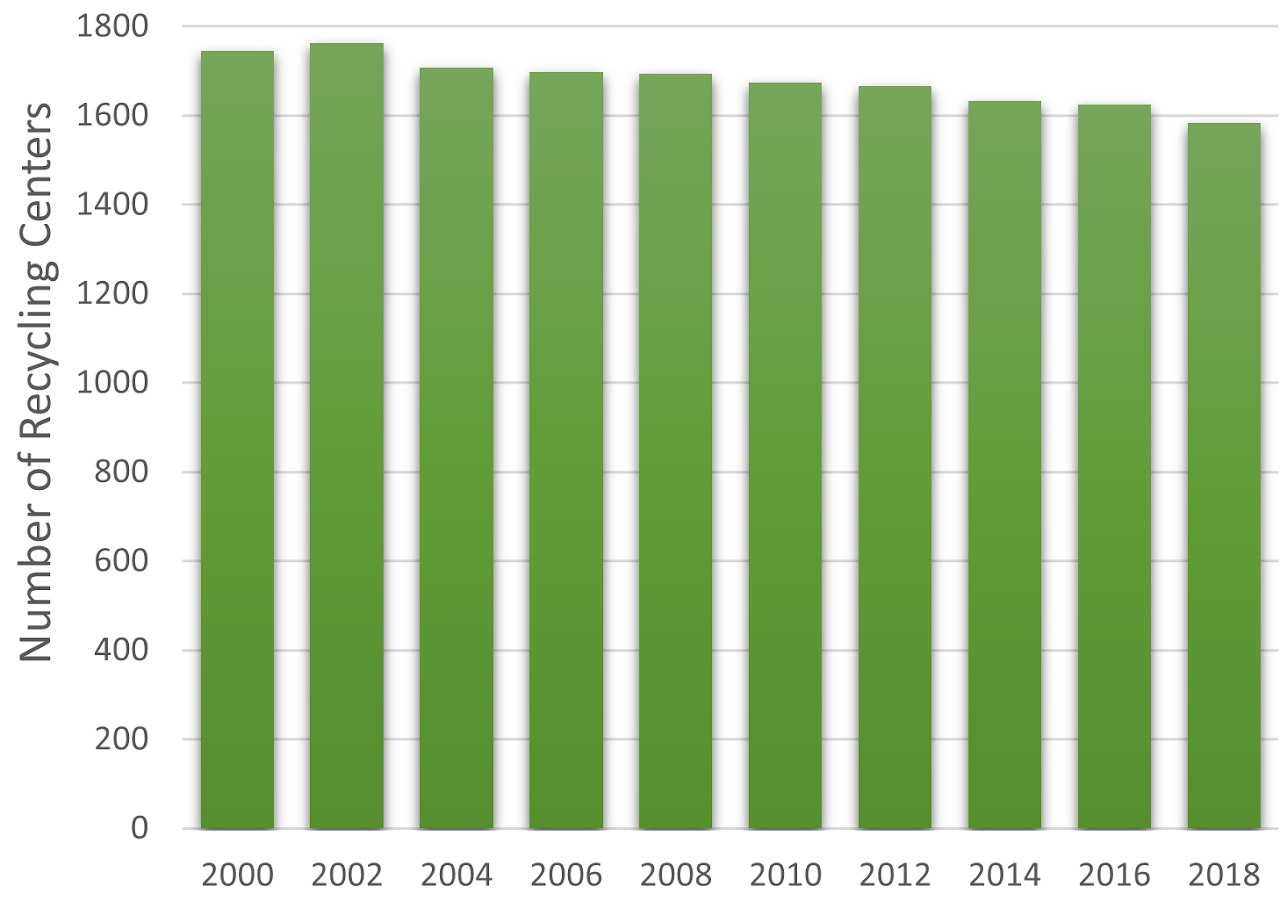
These mathematical developments have found applications in undesirable facility location, sustainable waste management, public-health planning, and machine learning. Supported by the Bavarian State Ministry for Science & Arts and internal grants from the University of Southampton, this research has produced several completed student theses, funded postdoctoral researchers, and several published articles. [Click for more →]
Explore →
Pandemic Risk Mitigation
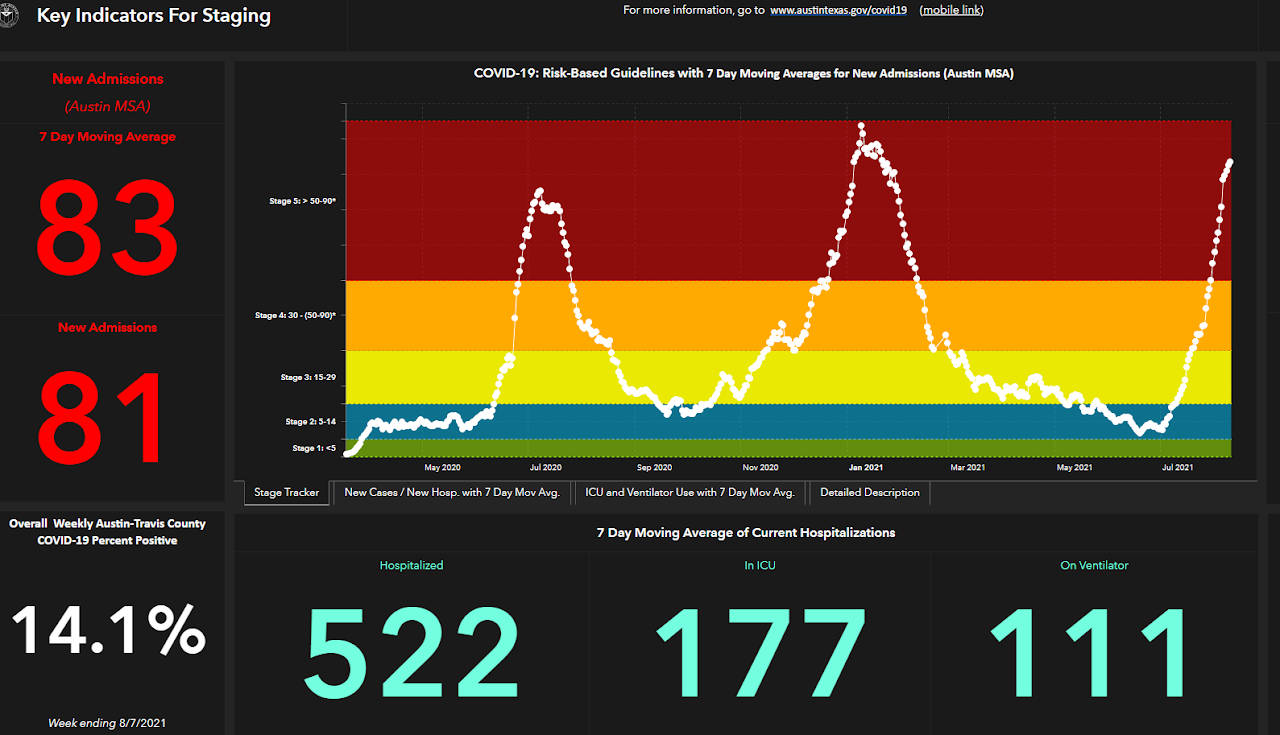
I began collaborating with the Texas Department of State Health Services in 2012, helping develop quantitative tools for pandemic preparedness long before the emergence of COVID-19. Motivated by Texas's response to the 2009 H1N1 pandemic, my PhD research focused on designing optimization-based decision-support systems for allocating scarce medical resources such as vaccines, antiviral drugs, and testing facilities. These efforts led to web-based planning tools, accessible through flu.tacc.utexas.edu, that support state-level decision-making in Texas. During the COVID-19 pandemic, the collaboration expanded to include testing accessibility, healthcare-capacity protection, and staged intervention policies. Our work informed the risk-based alert system adopted by the City of Austin and resulted in publications in PNAS, Nature Communications, and other leading journals.
My research in this area is supported by the German Research Foundation (DFG), the Bavarian-Czech Academic Agency, and the EU Horizon 2020 program. [Click for more →]
Explore →